The OXO Good Grips Stainless Steel Potato Ricer is the ricer to buy for cauliflower, and it is for one specific job: pressing COOKED cauliflower into a light, dry mash or a base for fritters and tots. The budget pick is the Bellemain Large Potato Ricer (3 discs), which costs less and gives you a choice of hole size. But read the next paragraph before you buy either, because the most useful thing on this page is a warning. Prices in the table above are read live from Amazon with the date they were last checked.
The honest answer first: a ricer does not rice raw cauliflower
“Cauliflower rice” means raw cauliflower broken into rice-sized grains. A ricer works by forcing soft, cooked food through a perforated plate under pressure — it needs the food to yield. Raw cauliflower does not yield; it fractures and jams, and you will bend the handles before you fill a bowl. If what you want is the raw grain, the tool is a food processor or a chopper, and the method is in how to rice cauliflower. The machines that do it best are ranked on food processors for shredding and the best vegetable dicers.
Two different dishes, two different tools.RAW rice-sized grains for a stir-fry base → processor or chopper. COOKED cauliflower pressed dry for mash, tots, fritters or a pizza base → a ricer or a food mill, and that is what this page ranks. Buying the wrong one of those is the most common mistake in this corner of the kitchen.
Where a ricer genuinely beats a processor
Cooked cauliflower holds a remarkable amount of water, and water is what ruins cauliflower mash, cauliflower tots and low-carb pizza bases. A processor purées it and traps that water in the purée. A ricer presses it through small holes and the water runs out of the basket as you squeeze — you get a drier, lighter, fluffier result and you can wring the rest out in a towel afterwards. That is a real mechanical advantage, not a preference, and it is the whole reason to own one of these for cauliflower.
Four picks, two mechanisms
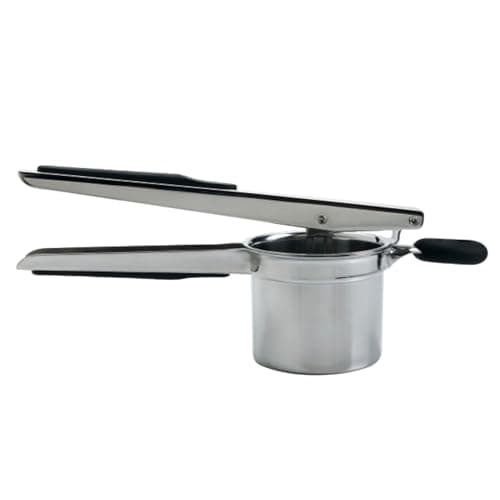
The OXO Good Grips Stainless Steel Potato Ricer leads because it is the most comfortable press here and the easiest to clean, which matters on a tool you use with hot food and then immediately need empty. Buy it as the default.
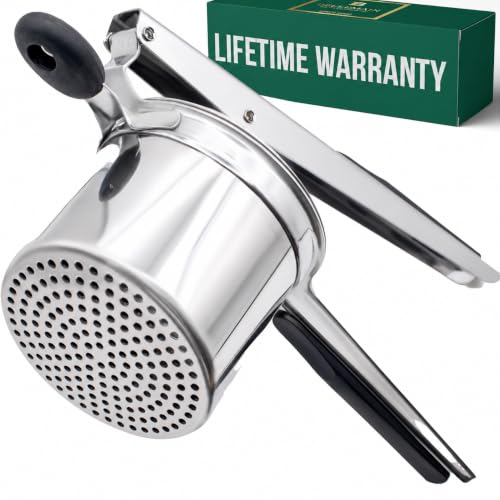
The Bellemain Large Potato Ricer (3 discs) is the budget pick and ships multiple interchangeable discs, so you can choose a coarser hole for a more rice-like cooked grain and a finer one for mash. Texture choice for less money is a genuinely good trade; the handles and the finish are where it saves.
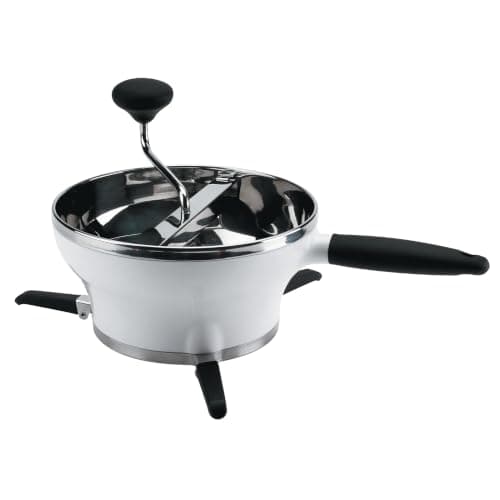
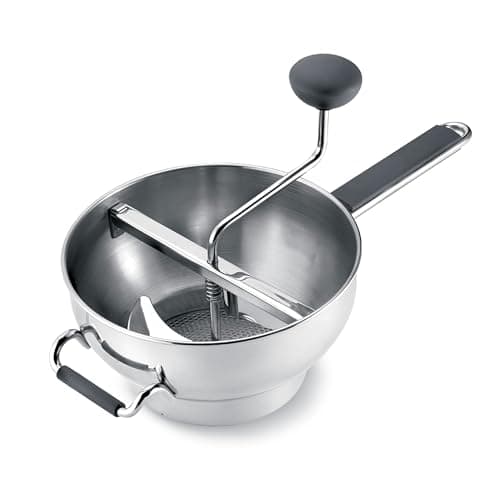
The OXO Good Grips Food Mill is the other mechanism and the better one for volume: you crank rather than squeeze, so a whole head goes through without hand fatigue, and the mill separates out any tough core as it goes. It is bulkier to store and slower to wash. The Cuisipro Deluxe Food Mill is the same idea built for frequent, serious use, and it is the pick if you do this weekly rather than occasionally. For the mechanisms set against each other, see food mill vs ricer vs masher and how to use a food mill.
Getting a dry result
- Steam, do not boil. Boiled cauliflower arrives at the ricer already waterlogged. Steam until a knife goes through with slight resistance.
- Press over a sieve, not a bowl. You want the water to leave. Catch the riced cauliflower in a sieve set over a bowl and let it drain while it is still hot.
- Then wring it in a clean towel. This is the step people skip and it is the one that decides whether tots hold together. Press, then twist.
- Do not force raw florets through. It will not work and it is how a ricer gets bent. The full ranking of ricers for their original job is on the best potato ricers.
How we picked
Tools we claim to have lab-tested: 0
Every site in this category tells you they ran twenty machines through a lab. We have not, and we say so. Here is what we do instead: read the manufacturer's manual and spec sheet, record the published bowl capacity, motor rating, blade and disc counts and materials, cross-check the warranty against the manufacturer's own warranty document, and cite all of it so you can check the work. Prices come live from Amazon's API and disappear rather than go stale.
The scores above are judgments from that documented research — not test results. The full rubric, including what disqualifies a product, is published in full.