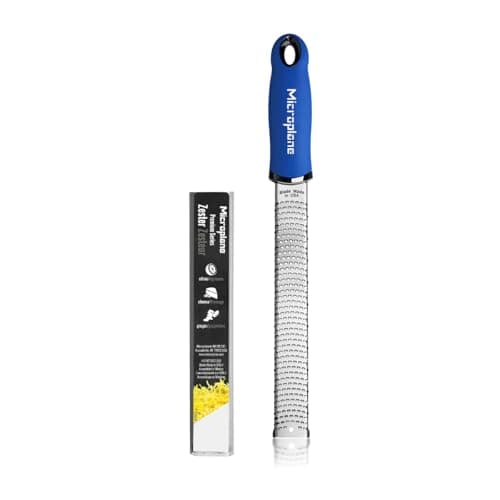
The best gift under $50 for a cook is the Microplane Premium Classic Zester: the rasp that takes zest off a lemon and leaves the bitter pith behind, from the only maker in its class that publishes how its blade is cut. It costs less than lunch, it hangs on a knife strip, and cooks who own one use it most days. Everything else on this page is the same kind of object — a tool that does one job properly for not much money — and every one is a pick from our category rankings, re-explained for a gifter.
How the $50 cap works.We do not type prices into this page. Each pick’s price comes live from Amazon (last checked Sep 23, 2026) and is shown in the table above and on every card. When the site rebuilds — daily, with the price refresh — any pick whose live price is over $50, or that has no buyable offer, is removed from this list until it comes back under. So the page’s title is a claim we check, not a claim we made once.
The stocking-stuffer tier and the real-present tier
There are two kinds of under-$50 gift here. The rasp, the peelers, the citrus press, the garlic press and the glove are stocking stuffers that happen to be excellent — small, cheap, easy to wrap, and used constantly. The salad spinner, the ricer, the Mini-Prep and the Benriner are real presents that happen to be affordable: they take space, they change how a cook does a job, and they are the ones to give on their own. Two stocking stuffers plus one real present is a complete, thoughtful gift for well under a hundred dollars.
If you give the Benriner, give the glove. They are both on this page on purpose. The Benriner is the sharpest slicer we rank and its guard is minimal; the NoCry glove is EN388 Level 5 and costs under $15. A mandoline without a glove is not a complete gift.
Why each one lands
Why it lands. It is the tool cooks mention when asked what they would replace first. Microplane publishes the process its blade is cut by (photo-etching), the steel, and where the blades are made, and the result takes the flavor off a lemon and leaves the bitter white pith behind. It also hangs on a magnetic knife strip, which is a small, daily pleasure.
Who it suits. Anyone who cooks with citrus, garlic, ginger, parmesan or nutmeg — which is most people who cook at all. If they already own a Microplane, buy something else; if they own a “zester” that came in a set, this is the upgrade they did not know existed.
Check before you buy. Microplane lists no blade cover for this model, so it should live on a strip or in a sleeve, not loose in a drawer. It is one grate size — fine rasp only — and does not shred; that is what a box grater is for.
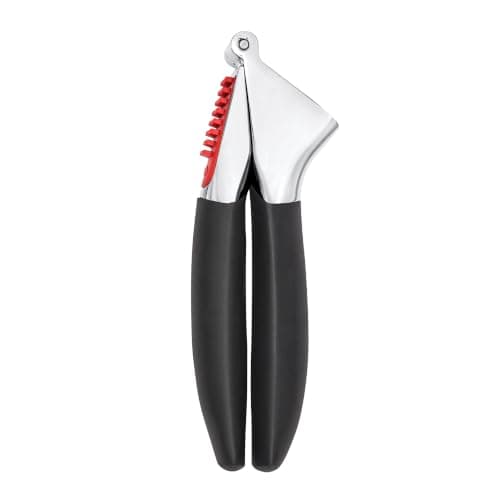
Why it lands. A die-cast press that takes unpeeled cloves and has a built-in cleaner that pushes the pulp back out of the holes. The peeling and the cleaning are the two reasons people stop using a garlic press; this one removes both.
Who it suits. The cook who crushes garlic most nights and does it with the side of a knife because the press they had was a chore. Not for a cook who makes garlic paste with salt on a board and likes it that way.
Check before you buy. It is bulkier in a drawer than a bare press because of the cleaner attachment. If the recipient has weak grip, the long-handled Kuhn Rikon in the splurge guide needs less force.
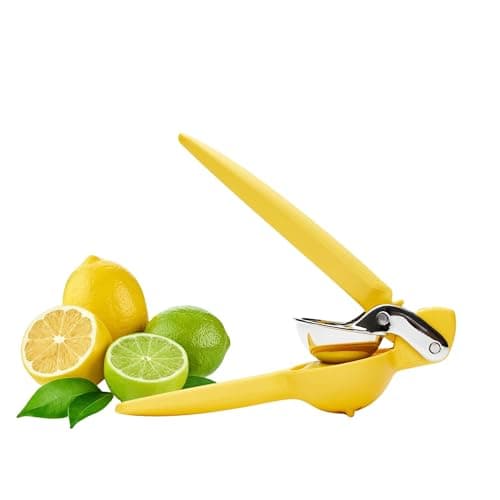
Why it lands. A geared press that turns a lemon half inside out with less hand strength than a plain squeezer and catches the seeds on the way. It is the difference between juicing one lemon and happily juicing six.
Who it suits. Cooks who dress salads, make cocktails or cook anything Mediterranean or Mexican. Also a genuinely good gift for an older cook, because the gearing does the work.
Check before you buy. It is sized for lemons and limes. Someone who juices oranges and grapefruit wants a reamer or a bigger press — see the citrus roundup.
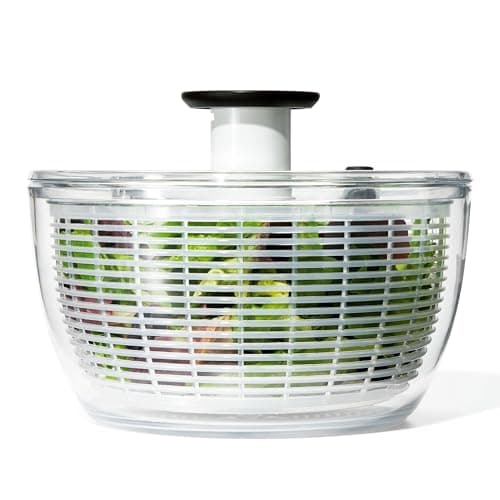
Why it lands. One-hand pump, a brake button, and a bowl nice enough to serve from. Wet greens are why dressing pools at the bottom of the bowl, and a towel never quite fixes that.
Who it suits. Anyone who eats salad more than once a week and has cupboard space for a large bowl. It also rinses and dries herbs and berries, which is where a lot of owners end up using it most.
Check before you buy. It is big. In a small kitchen with no storage it becomes the thing that lives on top of the fridge, and a clean towel dries greens for free. The pump is the part that wears over years.
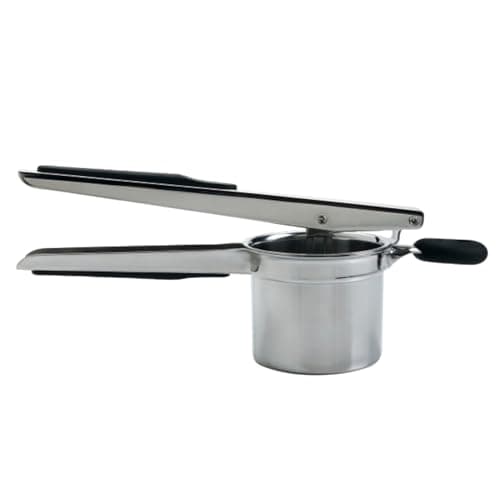
Why it lands. Lump-free mashed potatoes with almost no effort, and a hook that rests it on the rim of the pot so it can be worked one-handed. It also purees cooked cauliflower, apples and baby food.
Who it suits. The person who makes the mash at every holiday dinner. A ricer is also the tool a new parent did not know they wanted for baby food.
Check before you buy. One disc, one texture. A cook who wants coarse and fine options should get a ricer with interchangeable discs instead — compared in the ricer roundup. And if they mostly want sauces and skin-on purees, a food mill is the better gift.
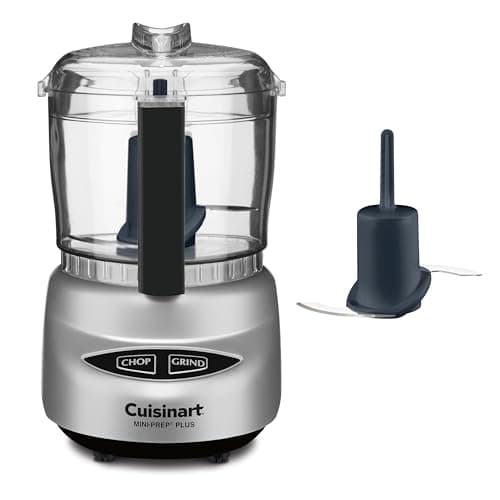
Why it lands. A 3-cup, 250-watt chopper with a reversible blade — sharp side for chopping, blunt side for grinding — that takes seconds to wash. It is the small electric tool that gets used five times a week when a full-size processor gets used once a month.
Who it suits. Someone who cooks for one or two, chops herbs, an onion, nuts, or makes a small batch of dressing or pesto. Also the right size for a dorm or a first apartment.
Check before you buy. It chops and grinds only; there are no slicing or shredding discs, and 3 cups is too small for batch prep. If the recipient wants a processor that does everything, this is the wrong machine — see the under-$150 guide.
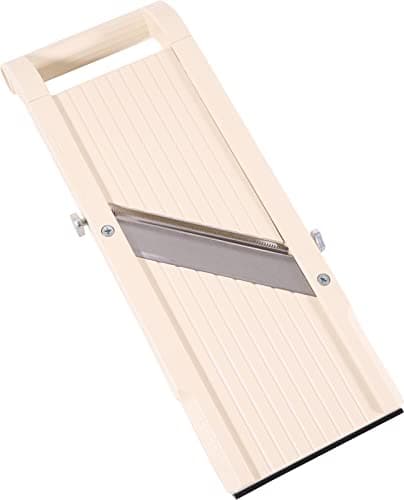
Why it lands. The Japanese mandoline professional cooks quietly rely on: a wide bed, a screw-set thickness dial and the sharpest cut on this site, at a price that has no business being this low.
Who it suits. A confident, careful cook who slices potatoes, cabbage, cucumbers or fennel in quantity and wants glass-thin slices. Not for a nervous cook, and not for a teenager.
Check before you buy. The included guard is minimal and the blade is unforgiving. Do not give this without a cut-resistant glove — the NoCry pair below is on this same page for exactly that reason — and read the safety guide before you decide.
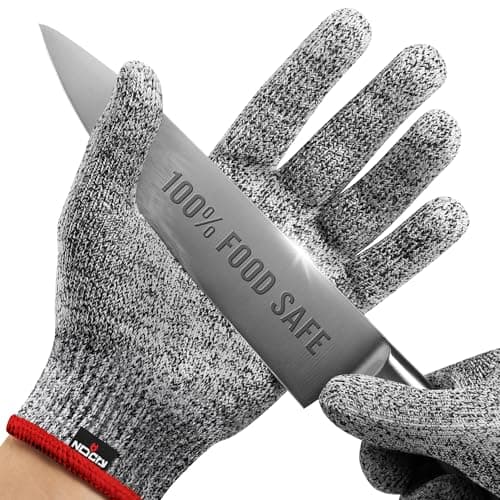
Why it lands. EN388 Level 5 cut resistance, food grade, ambidextrous and machine washable. It is the cheapest item on this page and the one most likely to prevent a trip to urgent care.
Who it suits. Anyone you are giving a mandoline to, anyone who already owns one, and anyone who grates knuckles on a box grater. Pair it with the Benriner above and you have given a complete, responsible gift.
Check before you buy. Cut resistance is not puncture resistance — a knife tip still goes through, and the maker says so. The knit is snug rather than dexterous for the first job or two. Sizes are listed on the listing; check the recipient’s hand size.
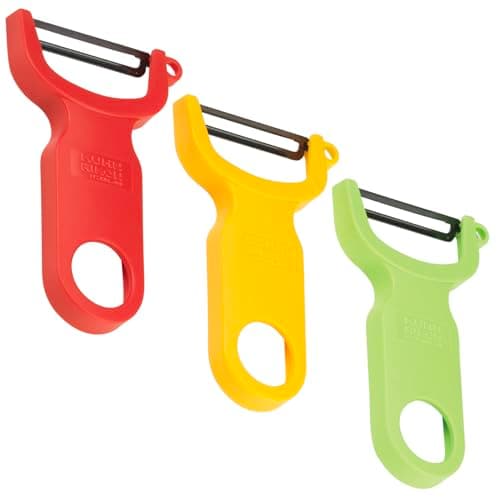
Why it lands. Three carbon-steel Y-peelers, color-coded, for less than most single peelers cost. Carbon steel takes a keener edge than stainless, and a cook feels it on the first tomato.
Who it suits. Any cook, honestly — and a three-pack is a rare gift that works for a household with more than one cook, or one who wants a peeler at the sink and one at the board.
Check before you buy. Carbon steel spots if left wet and should be dried, not left in the dishwasher. A recipient who wants zero maintenance is better served by a stainless swivel peeler, ranked in the peeler roundup.
What we left off, and why
Electric choppers hover right around the cap: the Ninja Express Chop is our top chopper and is often just under $50, but it moves, so we put it in the home-cook guide rather than risk it flickering on and off this page. Cheap mandolines with plastic bodies were left off because a mandoline is the one tool where the cheap version is the dangerous version. And nothing here is a novelty: no avocado slicers, no strawberry hullers, no herb scissors as a main gift.