HUB 06
Buying Guides & Comparisons
The questions that decide a purchase, answered directly and then properly. Whether you need a processor at all, how it differs from a blender or a chopper, and which prep tools actually earn their drawer space.
We earn a commission if you buy through our links. It does not change the price you pay, and it does not decide our picks — our selection criteria are published in full. How this works.
This is where the buying decisions get settled before you spend anything. Do you actually need a food processor, or will the blender you own do the job? What is the real difference between a processor and a chopper? How do you get the most out of a machine once it is on the counter? Each guide answers the question directly in the first sixty words — the part a search engine quotes — and then properly, with the trade-offs named.
Comparisons: the highest-value question a buyer asks
The most useful thing we can do is stop you buying the wrong category. A blender and a food processor look interchangeable and are not: one moves liquid, the other cuts solids, and picking wrong means a machine that disappoints at the job you bought it for. A chopper and a processor overlap but suit very different kitchens and budgets. Our comparison guides — processor vs blender and processor vs chopper— each end in a decision rule, not a shrug: choose A if this is true of your cooking, B if that is.
Explainers: get the most from what you own
A food processor sits unused in more cupboards than almost any other appliance, usually because nobody showed the owner what it is genuinely good at beyond “chopping”. How to use a food processorcovers the jobs it does brilliantly — shredding cheese in seconds, slicing a bag of vegetables, making dough, grinding nut butter — and the ones it does badly. Do I need a food processor is the guide to read before buying at all, because the honest answer for some kitchens is no.
Alongside those sit the how-to pages for the specific jobs people arrive looking for: shredding chicken without turning it to paste, making breadcrumbs and the difference between fresh and dry ones, julienning vegetables with a knife, a peeler or a blade, using a food mill, and chopping onions without crying — which is mostly a lesson in which popular tricks have no mechanism behind them. The head-to-heads live here too, including Braun against Breville on the two stick blenders people most often cross-shop, and KitchenAid against Ninja — the one processor pairing where no motor figure can be compared at all, so it is settled on what is in the box instead.
How these guides are written
Every guide is grounded in the same published specifications the product roundups use, cited to the source. Where a guide names the machine or tool that best fits a job, it links to the relevant roundup with a live, dated Amazon price — because a buying guide that cannot get you to a buy button is only half a guide. We do not claim to have tested anything, and we say so; what we offer is a clear decision framework you can check against your own kitchen. Start anywhere — the guides cross-link to each other and down to the tools they discuss.
Everything in this hub
All of Guides
Head to head
Food Processor vs Blender
A spec table and a decision rule: cut solids or move liquid. Buy the one that matches the jobs you actually do.
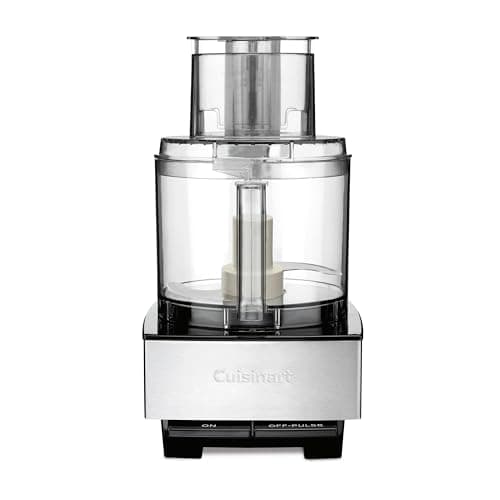
Covered here: Cuisinart 14-Cup Food Processor (DFP-14BCNY)
$257.59on AmazonHead to head
Food Processor vs Food Chopper
Same idea, different scale. A table and a rule for choosing between a cheap chopper and a full processor.
Covered here: Cuisinart 14-Cup Food Processor (DFP-14BCNY)
$257.59on AmazonHead to head
Food Processor vs Immersion Blender
One cuts dry solids, the other blends wet food in its own pot. A job table, a rule, and which to buy first if you can only have one.
Covered here: Cuisinart 14-Cup Food Processor (DFP-14BCNY)
$257.59on Amazon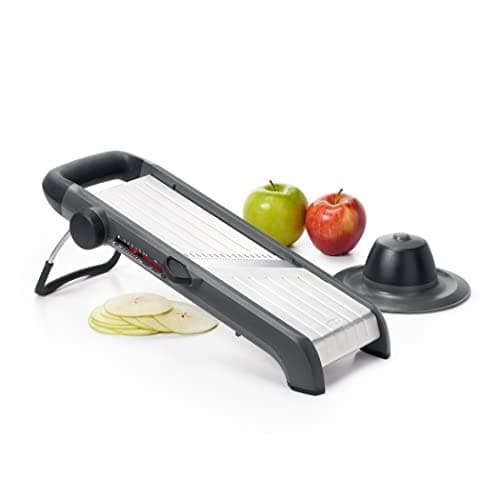
Head to head
Mandoline vs Food Processor
One slices thinner and more precisely, the other slices faster and far more safely. A table, a rule, and an honest word about the risk.
Covered here: OXO Good Grips Chef's Mandoline Slicer 2.0
$109.10on AmazonHead to head
Cuisinart vs KitchenAid Food Processor
Simplicity and a published motor against dicing kits and feed-tube design — the two brands compared on what they actually document.
Covered here: Cuisinart 14-Cup Food Processor (DFP-14BCNY)
$257.59on Amazon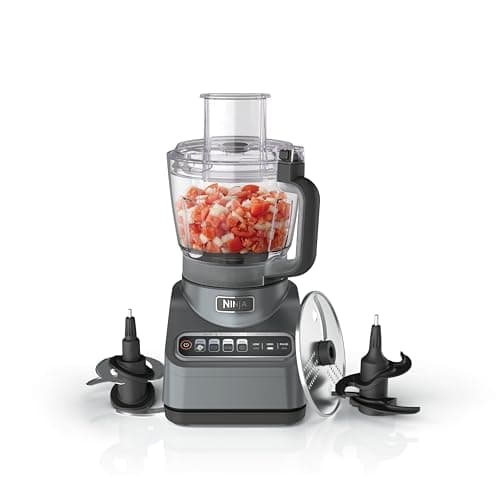
Head to head
Ninja vs Cuisinart Food Processor
Peak watts against continuous watts, 9 cups against 14, and a plain answer on which brand fits which kitchen.
Covered here: Ninja Professional Plus Food Processor (BN601)
$99.99on Amazon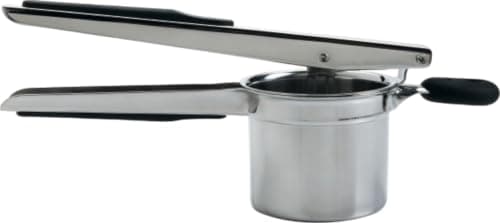
Head to head
Potato Ricer vs Masher
What each tool does to the starch — and why that gives a ricer fluffy, lump-free mash and a masher texture. Plus the one tool never to use.
Covered here: OXO Good Grips Stainless Steel Potato Ricer
$34.95on AmazonHead to head
Food Processor vs Meat Grinder
A processor chops meat, a grinder shears it, and the difference shows in the texture of a burger. When the processor is genuinely enough, and the point where it is not.
Covered here: Cuisinart 14-Cup Food Processor (DFP-14BCNY)
$257.59on AmazonHead to head
Cuisinart vs Breville Food Processor
The 720-watt Cuisinart DFP-14 against the 1,450-watt Breville Sous Chef 16, on capacity, slicing control, parts count and running cost — with a clear decision rule.
Covered here: Cuisinart 14-Cup Food Processor (DFP-14BCNY)
$257.59on AmazonHead to head
Cuisinart 14-Cup vs 11-Cup vs Breville Sous Chef
The 14-cup DFP-14BCNY, the 11-cup Pro Custom and the 16-cup Sous Chef compared on bowl size, motor, discs, box contents and warranty — with a plain rule for which one you need.
Covered here: Cuisinart 14-Cup Food Processor (DFP-14BCNY)
$257.59on Amazon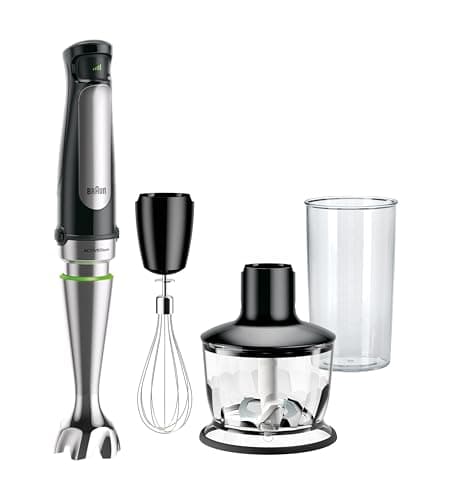
Head to head
Braun vs Breville Immersion Blender
Braun's bell stops splatter, Breville's stops suction and protects non-stick. Braun publishes no wattage, Breville publishes 280 W. Which of those facts should decide it, and the cheaper third option that does neither.
Top pick: Braun MultiQuick 7 (MQ7035X) · 3 ranked, 3 with live prices
$109.95on AmazonHead to head
KitchenAid vs Ninja Food Processor
A dicing kit and an adjustable feed tube against a dough blade and a big peak-watt number — plus the mini-size question neither brand's marketing answers. Decision rules at both sizes.
Covered here: Ninja Professional Plus Food Processor (BN601)
$99.99on Amazon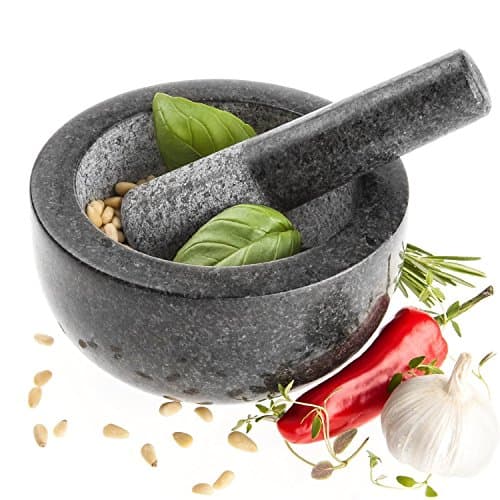
Head to head
Mortar and Pestle vs Food Processor
Crushing and cutting are different actions with different results. Four picks across both tools, and a plain answer for pesto, curry paste, spices and guacamole.
Top pick: Kota Japan Large Black Granite Mortar & Pestle · 4 ranked, 4 with live prices
$28.98on Amazon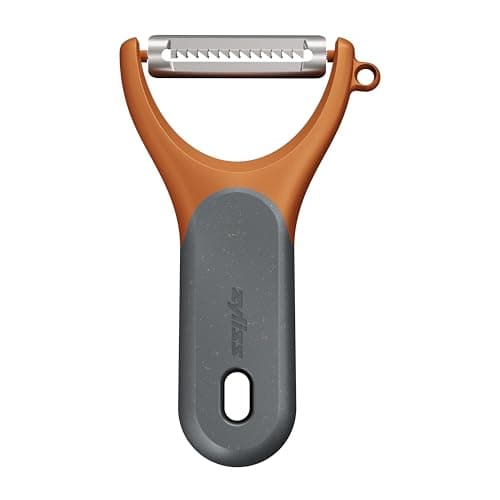
Head to head
Julienne Peeler vs Mandoline vs Spiralizer
Short matchsticks, long even sticks or continuous noodles: three different cuts from three different tools. Six picks, and a plain table of what each one can and cannot do.
Top pick: Zyliss Julienne Y Peeler · 6 ranked, 6 with live prices
$11.95on Amazon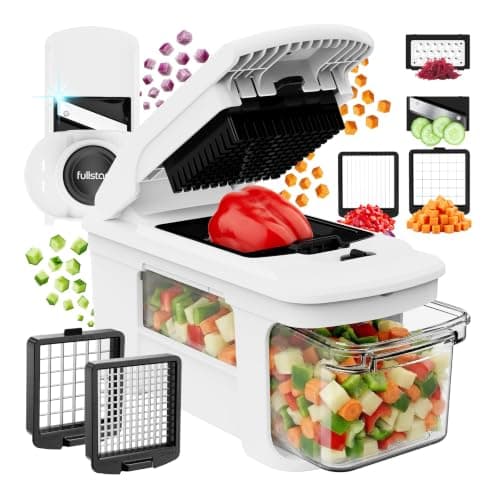
Head to head
Fullstar vs Mueller Vegetable Chopper
The same cut from both, so the decision is 4 blades and a published 1.8 L container against 8 blades and a food holder. Which one wins depends on whether you will ever use a julienne insert.
Top pick: Fullstar Pro XL Vegetable Chopper & Mandoline · 2 ranked, 2 with live prices
$34.99on AmazonHead to head
Mandoline vs Vegetable Chopper
A mandoline makes flat slices; a chopper makes cubes or mince. Buy the chopper first if you cook stews, curries and salsa; buy the mandoline first if you make gratins, crisps and slaw. Six picks across both.
Top pick: Fullstar Pro XL Vegetable Chopper & Mandoline · 6 ranked, 6 with live prices
$34.99on Amazon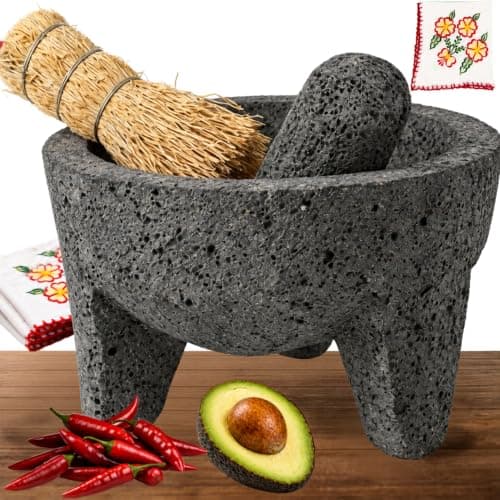
Head to head
Molcajete vs Mortar and Pestle
A molcajete is wide, open and porous - built to grip soft ingredients for guacamole and roasted salsa. A granite mortar is deep and dense - built to trap and crush dry seed. Four picks, and the one both-ways compromise.
Top pick: Cuitaxi 8-inch Molcajete, Mexican Lava Rock · 4 ranked, 4 with live prices
$54.95on Amazon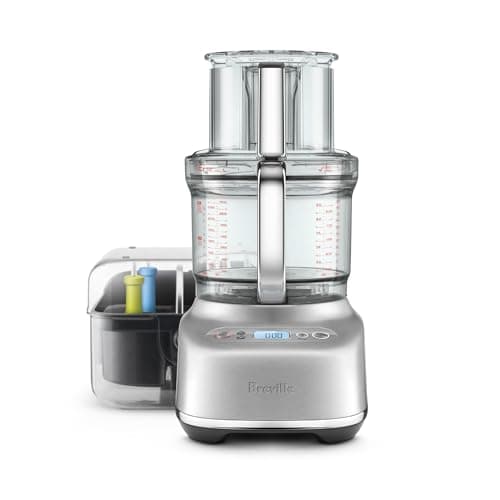
Head to head
Food Processor vs Blender for Nut Butter
The food processor is the safer bet for nut butter because a wide, flat bowl keeps paste in the blade's path. The Breville Sous Chef 16 leads on published motor and bowl; three more picks below it.
Top pick: Breville Sous Chef 16 (BFP810) · 4 ranked, 4 with live prices
$499.95on AmazonGuide
Do I Need a Food Processor?
A direct yes/no with the five jobs that justify a food processor — and the cheaper tools that win the rest.
Covered here: Cuisinart 14-Cup Food Processor (DFP-14BCNY)
$257.59on AmazonGuide
How to Use a Food Processor
The jobs a processor does brilliantly — shredding, slicing, dough, nut butter — and the ones it does badly.
Covered here: Cuisinart 14-Cup Food Processor (DFP-14BCNY)
$257.59on Amazon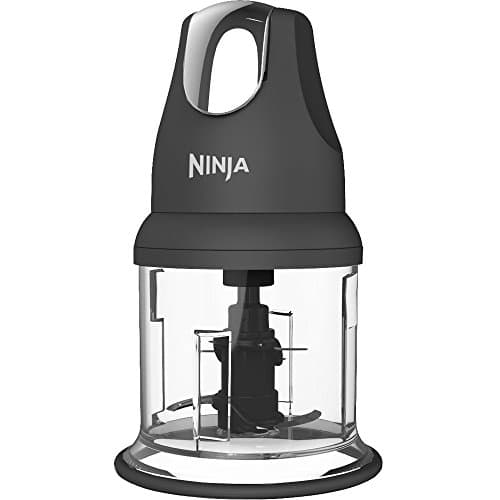
Guide
The Prep Gadgets Worth Owning
The short list of prep tools that genuinely beat a knife — and the test for whether any gadget earns its drawer space.
Covered here: Ninja Express Chop (NJ110GR)
$48.23on AmazonGuide
What Can You Make in a Food Processor?
Twelve jobs a food processor does better than anything else, five it does badly, and the blade each one needs.
Covered here: Cuisinart 14-Cup Food Processor (DFP-14BCNY)
$257.59on AmazonGuide
The Prep Appliances a Kitchen Actually Needs
Processor, chopper, immersion blender: what each is genuinely for, where they overlap, and the order to buy them in on a limited budget.
Covered here: Cuisinart 14-Cup Food Processor (DFP-14BCNY)
$257.59on AmazonGuide
How to Clean a Food Processor
The 30-second self-clean, the parts that must never go near a dishwasher, the three places food hides, and how to get garlic smell and turmeric stain out of a work bowl.
Covered here: Cuisinart 14-Cup Food Processor (DFP-14BCNY)
$257.59on Amazon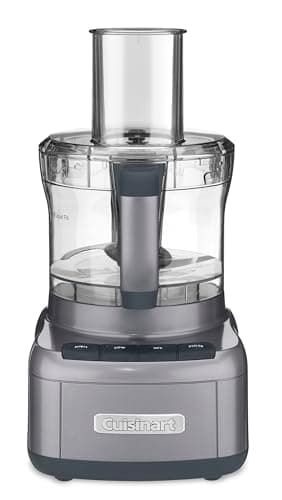
Guide
How to Rice Cauliflower
A potato ricer cannot rice raw cauliflower — wrong mechanism. The three tools that do, the pulse-don't-run rule, and the drying step that stops it going to mush.
Covered here: Cuisinart Elemental 8-Cup Food Processor (FP-8SV)
$129.95on AmazonGuide
How to Make Breadcrumbs in a Food Processor
Fresh crumbs versus dry crumbs, why day-old bread beats fresh, crust on or off, pulse not run, and how to store a batch. Plus the honest reason homemade panko is not quite panko.
Covered here: Cuisinart 14-Cup Food Processor (DFP-14BCNY)
$257.59on AmazonGuide
How to Chop Onions Without Crying
Three things actually work: a sharper blade, a colder onion, and moving air. Why an enclosed chopper helps less than you would think, why the bread trick does not work, and which tools remove the job entirely.
Covered here: Ninja Express Chop (NJ110GR)
$48.23on AmazonGuide
How to Season a Mortar and Pestle
Rice, then garlic and salt: the method the makers themselves publish, why unpolished stone needs it, and the one cleaning rule that keeps a seasoned mortar working.
Covered here: Kota Japan Large Black Granite Mortar & Pestle
$28.98on AmazonGuide
Granite vs Marble Mortar and Pestle
Granite for anything you grind hard; marble for soft spices, small budgets and a bowl you like looking at. The hardness figures, the acid problem, and one listing that contradicts itself.
Covered here: Kota Japan Large Black Granite Mortar & Pestle
$28.98on Amazon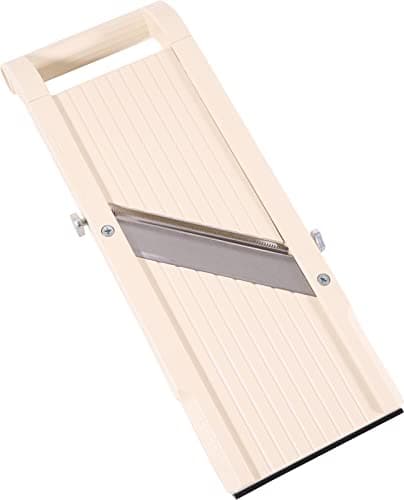
Guide
How to Sharpen a Mandoline Blade
Why no maker publishes a sharpening method, the five reasons a mandoline stops slicing that aren't the edge, and which blades are stocked as replaceable spare parts.
Covered here: Benriner Super Slicer (Japanese Mandoline)
$38.99on AmazonGuide
How to Dice Vegetables
Flat side, planks, batons, cubes: the order that makes dicing quick and even. Plus why a spinning blade cannot dice, and the three tools in our catalog that can.
Covered here: Fullstar Pro XL Vegetable Chopper & Mandoline
$34.99on Amazon
Guide
Wood vs Plastic Cutting Board
What USDA FSIS actually recommends, what the UC Davis bacteria research found about wood, new plastic and knife-scarred plastic, and the two-board answer that follows.
Covered here: OXO Good Grips Plastic Utility Cutting Board
$20.61on AmazonGuide
How to Clean a Vegetable Chopper
Rinse it before you sit down, not after. The 60-second routine for a dicing grid, the stuck-food fix, what each maker says about the dishwasher, and why you should wear a glove at the sink.
Covered here: Fullstar Pro XL Vegetable Chopper & Mandoline
$34.99on AmazonGuide
What Can You Grind in a Mortar and Pestle?
Spices, peppercorns, garlic, soft herbs and nuts, yes - crushing releases oil a blade leaves inside. Coffee, flour and wheat, no - a hand grind cannot be uniform. The full list, with the mechanism behind it.
Covered here: Kota Japan Large Black Granite Mortar & Pestle
$28.98on Amazon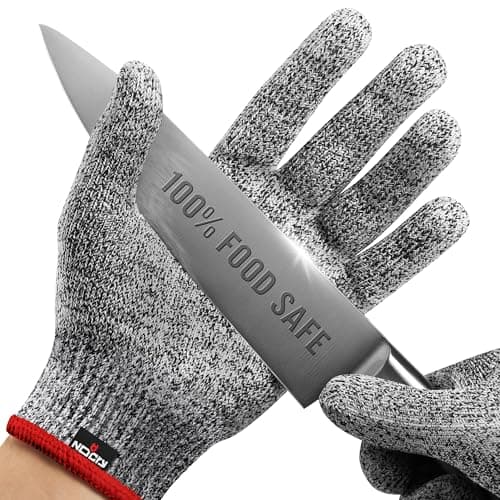
Guide
Do Cut-Resistant Gloves Actually Work?
Cut-resistant, not cut-proof, and not puncture-resistant at all. What the knit actually stops, the maker's own exclusion for moving and serrated blades, and the washing and food-safety answers.
Covered here: NoCry Cut Resistant Gloves (Food Grade)
$9.00on Amazon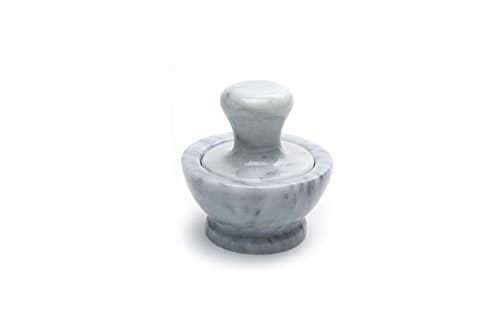
Guide
What Size Mortar and Pestle Do You Need?
Small and deep for dry spices, 5 to 6 inches for pesto and curry paste, 8 inches for guacamole you serve from the bowl. A chart by job, and why only one set in the catalog publishes the figure that matters.
Covered here: Fox Run Marble Mortar and Pestle Set (4 in)
$32.98on AmazonGuide
How to Make Peanut Butter in a Food Processor
The full method in four stages, the one step that halves the time, and the five things that go wrong - including the dry-ball stage people mistake for failure.
Covered here: Cuisinart 14-Cup Food Processor (DFP-14BCNY)
$257.59on AmazonGuide
Are Vegetable Choppers Worth It?
The honest case for and against, split by the kind of cook you are. Includes the three reasons choppers get abandoned and the one question that settles the purchase.
Covered here: Fullstar Pro XL Vegetable Chopper & Mandoline
$34.99on AmazonGuide
How to Sharpen Vegetable Chopper Blades
Dull or dirty? The test that tells you in thirty seconds, what can and cannot be sharpened on a chopper, and the replacement-insert route no maker advertises clearly.
Covered here: Fullstar Pro XL Vegetable Chopper & Mandoline
$34.99on AmazonGuide
How to Use a Vegetable Chopper
The method for both mechanisms, the onion routine step by step, the six foods to keep out, and the one habit that decides whether the tool stays in use.
Covered here: Fullstar Pro XL Vegetable Chopper & Mandoline
$34.99on AmazonGuide
Julienne vs Batonnet
The two stick cuts, their conventional sizes, the dice each one turns into, and an honest note on the width no julienne tool publishes.
Covered here: Benriner Super Slicer (Japanese Mandoline)
$38.99on Amazon
Filed elsewhere, written for you
Also worth reading
These live under a different section of the site but answer the same question a guides buyer is actually asking.
Food Processors
The Best Food Processors, Ranked
The Cuisinart 14-Cup wins on the numbers that matter for most kitchens. Six more picks cover the jobs it loses — mini, budget, dough and dicing.
Top pick: Cuisinart 14-Cup Food Processor (DFP-14BCNY)
$257.59on Amazon