HUB 01 · Food Processors
The Best Food Processor for Dough
Dough is the one job where motor power and bowl headroom genuinely decide the result. Here is what a dough blade changes, how big a batch each size takes, and which machines are built for it.
We earn a commission if you buy through our links. It does not change the price you pay, and it does not decide our picks — our selection criteria are published in full. How this works.
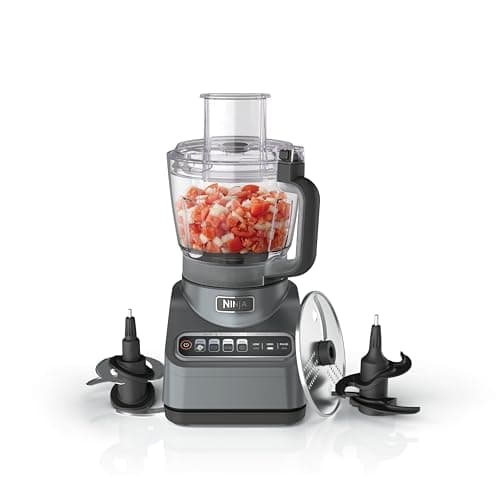
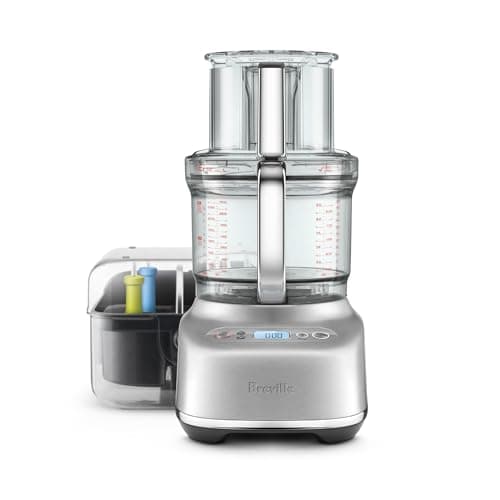
For dough, buy a processor with a dedicated dough blade, at least 9 cups of bowl, and a motor the manufacturer is willing to put a number on. The Ninja Professional Plus Food Processor (BN601)is the value answer — it ships with a dough blade and publishes 1,000 peak watts — and the Breville Sous Chef 16 (BFP810) is the one to buy if you bake often and want the most headroom money buys here.
Why a food processor is good at dough in the first place
Speed and temperature. A processor brings flour, fat and water together in twenty to forty seconds, which for pastry is the whole point: the less time butter spends being worked, the less it melts, and cold butter in visible pieces is what makes a crust flaky. A stand mixer does the same job more gently over several minutes, and in a warm kitchen those minutes cost you. For bread and pizza dough the argument is simply speed — a processor kneads a batch in under a minute.
The trade is control. A processor gives you almost no window between “just combined” and “overworked”, so you pulse and you watch. If you want to walk away while the machine kneads, that is a stand mixer’s job, and we lay out the full split in food processor vs stand mixer.
What the dough blade actually does
The dough blade is the blunt plastic one that most people leave in the box. It is not a gimmick. A sharp steel blade cuts gluten strands as fast as they form, which is fine for pastry and wrong for bread; the blunt plastic blade pushes and folds the dough instead, developing gluten rather than shredding it. It also generates less friction heat, which keeps the dough from warming past where yeast behaves predictably.
Of the machines here, the Ninja Professional Plus Food Processor (BN601) and the Breville Sous Chef 16 (BFP810)ship with one. On a machine without a dough blade you can still make pastry — pulse only, stop the moment it clumps — but bread dough is better done by hand or in a mixer than flogged with a sharp blade.
The method, in four lines.Pulse the dry ingredients to combine. Add cold cubed butter and pulse until the pieces are pea-sized — count the pulses, do not run it. Add liquid through the feed tube while pulsing, and stop the second the dough forms shaggy clumps. It should not ball up into a smooth mass in the bowl; finish it by hand on the bench.
Bowl size decides batch size
Dough climbs and folds, so it needs headroom that chopped vegetables do not. Nine cups is the honest floor for a single pie crust or a one-pound pizza dough. Eleven to fourteen cups takes a double crust or a two-pound bread dough. Below nine cups the dough packs against the lid, the motor labors, and you get a warm, dense result — which is why we do not recommend any of the machines in our mini processor roundup for this job.
The four machines worth using
The Ninja Professional Plus Food Processor (BN601) is the value pick: 9 cups, a dough blade in the box and a published 1,000 peak watts, for a fraction of the premium machines. The Breville Sous Chef 16 (BFP810)is the upgrade — 16 cups and a published 1,450 watts, the most continuous headroom in this catalog, and the machine to buy if you bake weekly rather than seasonally.
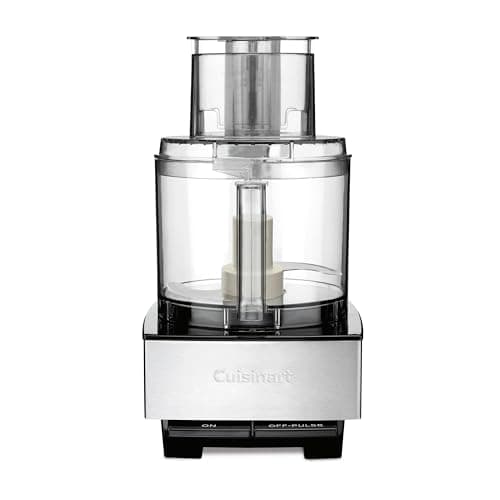
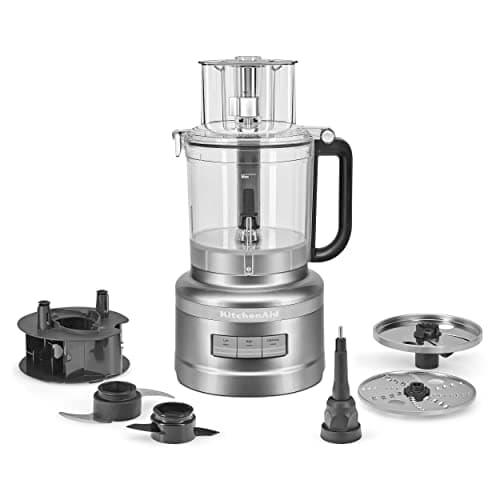
The Cuisinart 14-Cup Food Processor (DFP-14BCNY)has no dedicated dough blade but 14 cups and a published 720 watts, and it is a long-standing favorite for pastry specifically, where the sharp blade’s speed is an advantage rather than a liability. The KitchenAid 13-Cup Food Processor (KFP1318)brings 13 cups and the widest range of cuts if dough is one job among many — though KitchenAid publishes no wattage for it, so there is no motor figure to compare.
The hardware
The hardware this guide is about
The products this guide refers to, with prices pulled live from Amazon and dated on every card. Full rankings live in the roundups linked above.
Value and dough
Ninja Professional Plus Food Processor (BN601)
The value pick: a 1,000-peak-watt motor and a dough blade for well under half the price of the premium machines.
Serious, frequent cooks
Breville Sous Chef 16 (BFP810)
The one to buy if you actually use a processor daily: an adjustable slicing dial and a 1,450-watt motor that never flinches.
Most full-size kitchens
Cuisinart 14-Cup Food Processor (DFP-14BCNY)
The default full-size processor for a reason: a big, simple, 720-watt workhorse with the shortest parts list to go wrong.
Dicing and prep variety
KitchenAid 13-Cup Food Processor (KFP1318)
A 13-cup KitchenAid with a 3-in-1 feed tube and an included dicing kit — the widest job range in the roundup.
#ad · As an Amazon Associate we earn from qualifying purchases.
Questions
Frequently asked
Can you make bread dough in a food processor?
Is a food processor better than a stand mixer for dough?
What is the dough blade for?
What size food processor do I need for dough?
Keep reading