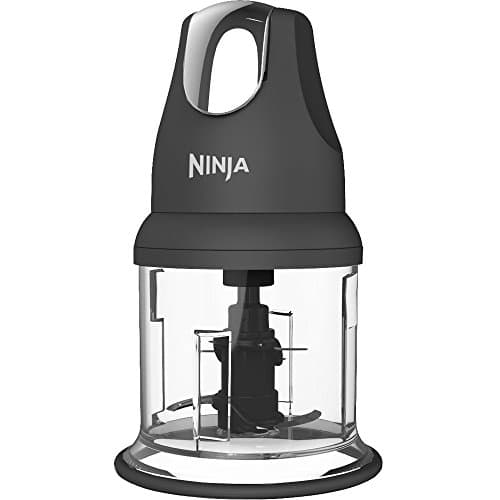
The first thing to give a new kitchen is the Ninja Express Chop (NJ110GR): a one-touch chopper that turns an onion into an even mince in seconds and goes in the dishwasher. It is cheap, it is small, and it removes the single most common reason a new cook orders takeout instead. The rest of this list is the manual kit a kitchen needs before it needs any appliance — boards, a peeler, shears, a grater, a press — and then the two electric tools that make sense once the basics are in the drawer.
Every pick is a product from our category rankings, chosen here for a specific reason: it is the version a first kitchen should own, not the best version money can buy. Where the buy-once version exists, we say so and link to it, because a first kitchen sometimes gets the buy-once version as a wedding present and does not need two.
In the order they will be missed
- A chopper— because onions and garlic are in everything.
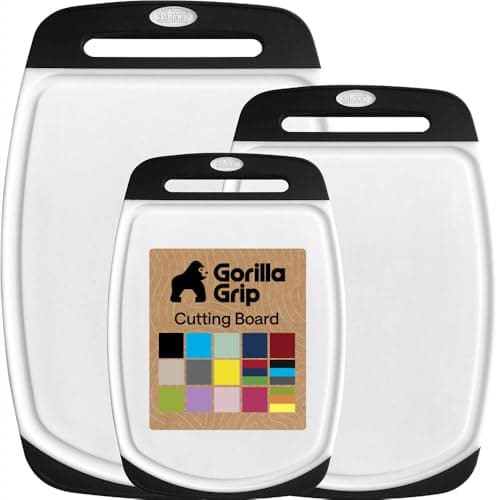
- Boards— three of them, so raw chicken and salad never share one.
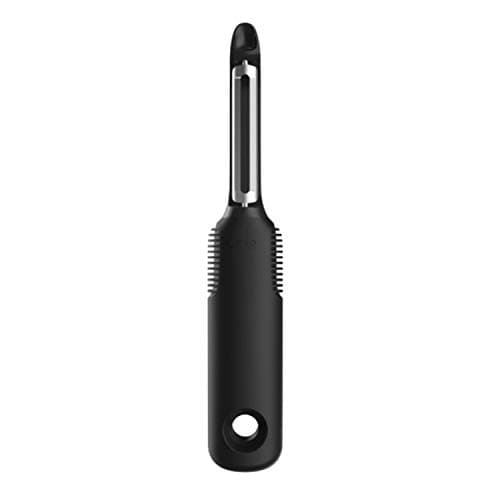
- A peeler— the one everyone forgets to buy until the first potato.
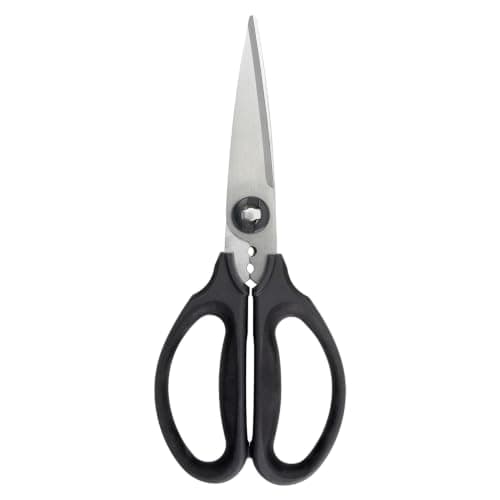
- Shears— for chicken, herbs and every package in the kitchen.
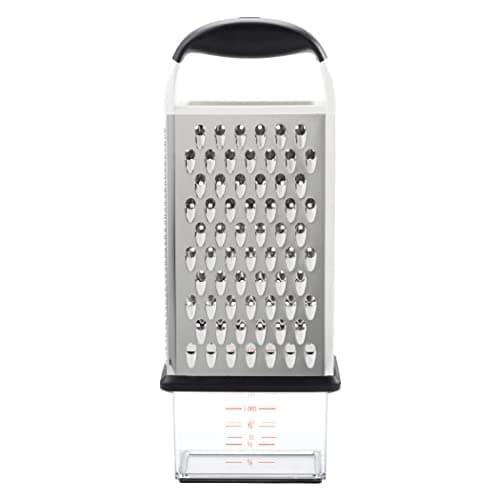
- A box grater— cheese, carrots, zucchini, butter for pastry.
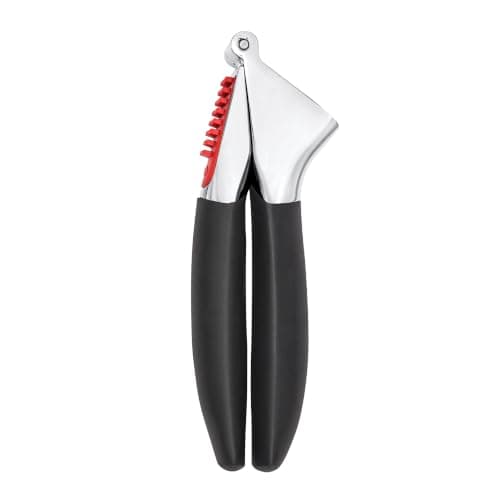
- A garlic press— the difference between cooking with garlic and skipping it.
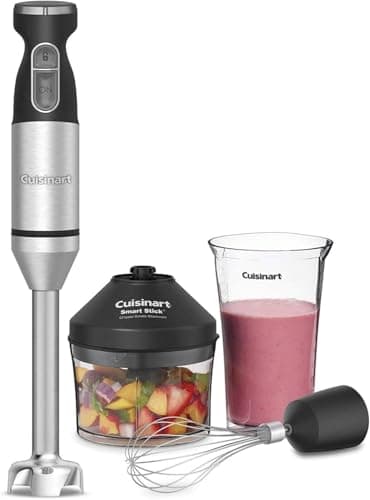
- A stick blender— soup, sauces and smoothies for very little money.
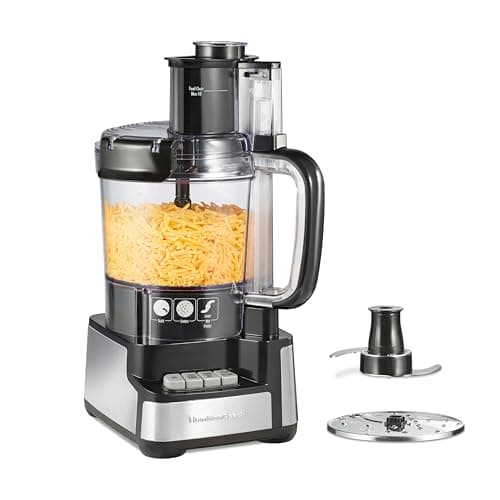
- A budget food processor— only once they cook for more than two.
Items one through six together cost roughly what a mid-range appliance costs, and they are the better gift for a kitchen that has nothing. Items seven and eight are for a kitchen that already has the drawer sorted, or for a group of gifters pooling money.
Why each one lands
Why it lands. A 200-watt, one-touch chopper that turns an onion into an even mince in a couple of pulses and goes in the dishwasher. It is the cheapest electric tool on the site that changes how often someone cooks.
Who it suits. Anyone who cries over onions, minces garlic and herbs, or makes small batches of pesto and salsa. If they own no electric prep tool at all, this is where to start.
Check before you buy. Two cups is small — a big pot of soup means batches — and there is no pour spout. It minces rather than dices; a cook who wants neat cubes wants a push-dicer instead.
Why it lands. Three plastic boards in three sizes with rubber borders and juice grooves, for about the price of one. Separate boards for raw meat, produce and small jobs is the cheapest honest fix for cross-contamination, and every one goes in the dishwasher.
Who it suits. A first kitchen, full stop. Also a household that has one battered board for everything.
Check before you buy. They are thin and flex under a heavy chop, and three boards need three slots to store. A cook who wants one substantial board that lives on the counter wants wood — see the John Boos in the splurge guide.
Why it lands. Twin swivelling blades on a soft, oversized handle that stays comfortable through a bag of potatoes. It is the peeler most people should own and most people do not.
Who it suits. Anyone who peels potatoes, carrots and apples a few at a time — which is nearly everyone in a first kitchen.
Check before you buy. For big, hard, wide produce like squash a Y-peeler is faster; the Kuhn Rikon three-pack in the under-$50 guide covers that. The difference is explained in the peeler roundup.
Why it lands. Micro-serrated blades that come apart for washing — the only honest way to clean shears used on raw chicken — and a herb stripper built into the handle. Shears are the tool a new cook does not think to buy and then uses daily.
Who it suits. A first kitchen, or any cook who spatchcocks chicken, trims herbs, or opens packaging with a good knife because they have nothing else.
Check before you buy. No sheath is included and the take-apart pivot has a little more play than a fixed pair. A cook who never cuts raw meat can save money on a cheaper fixed-pivot pair from the shears roundup.
Why it lands. Four sharp sides, a non-slip foot and a container that catches the gratings and measures them. It shreds cheese, carrots and zucchini, which is most of what a grater is for.
Who it suits. A first kitchen, or any cook grating with a flimsy flat grater. Pair it with a Microplane and the grating side of the kitchen is complete.
Check before you buy. Bulkier than a flat grater and the container is one more thing to wash. A cook who only finishes plates with a little hard cheese wants a rasp or a rotary instead — see the rotary grater roundup.
Why it lands. A die-cast press that takes unpeeled cloves and has a built-in cleaner that pushes the pulp back out of the holes. The peeling and the cleaning are the two reasons people stop using a garlic press; this one removes both.
Who it suits. The cook who crushes garlic most nights and does it with the side of a knife because the press they had was a chore. Not for a cook who makes garlic paste with salt on a board and likes it that way.
Check before you buy. It is bulkier in a drawer than a bare press because of the cleaner attachment. If the recipient has weak grip, the long-handled Kuhn Rikon in the splurge guide needs less force.
Why it lands. A 300-watt stick with a variable-speed dial, a whisk and a chopper cup, for a fair price. It covers soup, sauces, whipped cream and small chopping jobs in one box.
Who it suits. A first immersion blender for a new kitchen or a cook on a budget who wants the attachments without paying for a premium brand.
Check before you buy. No anti-splash bell, so it spatters more than the Braun or Breville. If the recipient blends in non-stick pots, the bell-guarded sticks are the safer choice for their cookware.
Why it lands. A 12-cup food processor that snaps together without twisting and locking the bowl, for a genuinely budget price. It chops, slices and shreds the everyday jobs honestly.
Who it suits. A first kitchen that cooks for more than two, or a new cook who wants to find out whether they will actually use a food processor before anyone spends real money on one.
Check before you buy. Built to a price: plainer plastic, one reversible disc, no adjustable slicing. A cook who will use it hard every day for a decade should get the Cuisinart in the home-cook guide. Our full review has the detail.
What a first kitchen does not need yet
A full-size premium food processor, a stand mixer, a mandoline, a food mill, a meat grinder or a spiralizer. Each is a superb tool for the cook who does that job, and a burden of storage for the cook who does not yet know whether they will. Give the basics, let them find out what they cook, and give the specialist tool the following year — our buying-order guide covers the appliances in more detail, and do I need a food processor is the honest answer to the question every new cook asks.