Nuts are the load that separates choppers. Everything else in the bowl — onion, herbs, soft fruit — gives way immediately; an almond does not. Two things decide whether you get an even chop or a bowl of oily rubble: the blade you are using, and how long you let it run. The second one is free, and it is the one most people get wrong.
The rule that matters more than the machine
Pulse in short bursts and look between them. Nuts release oil the moment their cell walls break, and once oil is loose the pieces start sticking to each other and to the bowl. A continuous ten-second run takes almonds through “chopped” and out the other side into a paste that will not come back. Three or four one-second pulses, a look, then another pulse if needed, gives you a controlled result every time.
Chilling helps for the same reason: cold nuts are more brittle and release less oil, so they fracture cleanly rather than smearing. Twenty minutes in the freezer is enough, and it is the single most effective trick on this page.
Why the Cuisinart leads
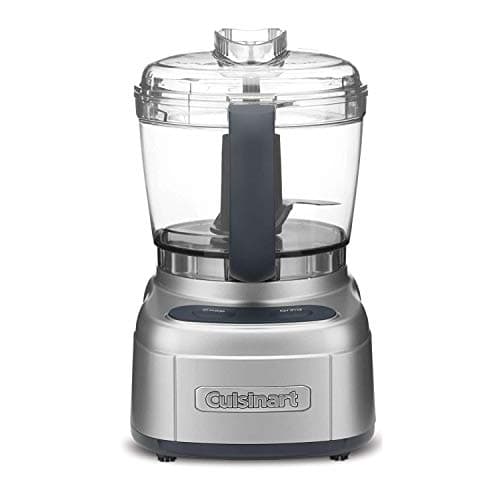
The Cuisinart Elemental 4-Cup Chopper/Grinder (ECH-4SV)is the pick here for two specific reasons. It has a dedicated grind control rather than a single chop button — a touchpad that switches its auto-reversing blade from chopping to grinding — which matters because hard, dry ingredients want a controlled grind rather than the all-or-nothing chop a one-button bowl gives you. And its 4-cup bowl is the largest in this group, which keeps nuts moving instead of packing into a paste against the walls, and means a full batch for a cake or a granola in one go rather than three.
Cuisinart publishes no watt figure for it, and on this job that matters less than the marketing implies: a chopper motor runs for a second or two at a time, and with nuts the bowl size and your pulse discipline decide the result long before the motor does.
The rest of the field
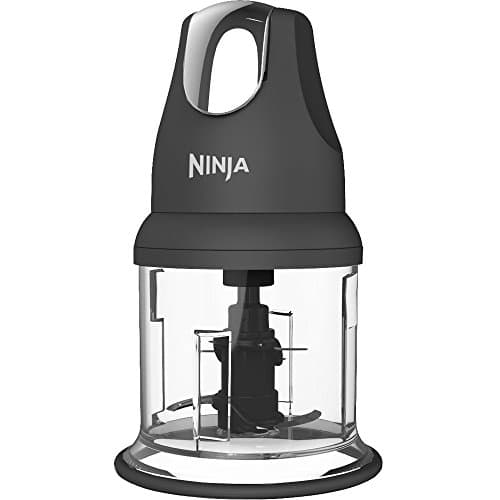
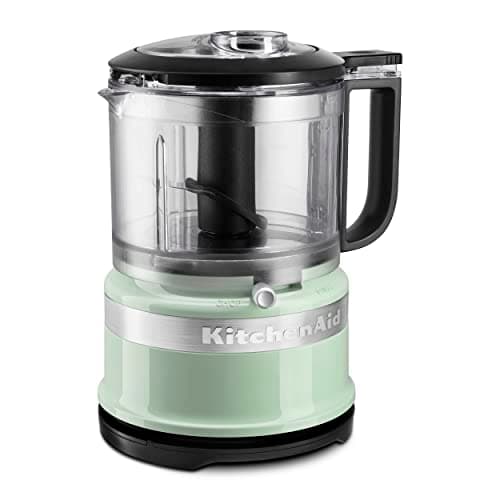
The Ninja Express Chop (NJ110GR)is our overall chopper pick, and its stacked blades handle nuts well — the honest limit is the 2-cup bowl, so you will be working in batches for anything beyond a garnish. The KitchenAid 3.5-Cup Food Chopper (KFC3516) earns its place on control: two speeds plus a pulse gives you a low setting that is genuinely useful for a coarse nut chop, where a single-button chopper only offers full power.
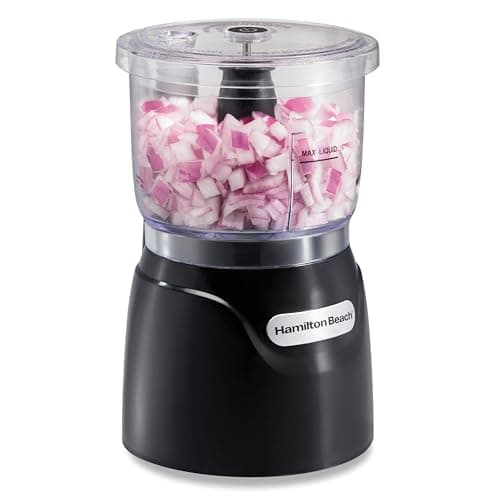
The Hamilton Beach 3-Cup Electric Vegetable Chopper is the value option and the one with the clearest caveat. Its own skip line says it: a lightweight motor base is happiest with soft-to-medium foods, and a daily diet of almonds and parmesan is the way to wear it out. For occasional nut chopping at the lowest price it is fine; for a weekly baking habit, spend up.
Do not fill the bowl.Nuts need room to tumble. A bowl packed to the top grinds the bottom layer to paste while the top layer stays whole — the classic uneven-chop result. Half full is the working limit for every machine on this page, regardless of its stated capacity.
How they compare for nuts
| Chopper | Bowl | Blade / control | Best nut job |
|---|
| Cuisinart Elemental 4-Cup Chopper/Grinder (ECH-4SV) | 4 cups | Auto-reversing chop/grind blade, dedicated grind pad | Full batches; grinding as well as chopping |
|---|
| Ninja Express Chop (NJ110GR) | 2 cups | Stacked blades, 200 W | Fast, small batches |
|---|
| KitchenAid 3.5-Cup Food Chopper (KFC3516) | 3.5 cups | Two speeds plus pulse | Coarse chop with real control |
|---|
| Hamilton Beach 3-Cup Electric Vegetable Chopper | 3 cups | One-touch pulse | Occasional chopping, lowest price |
|---|
When a chopper is the wrong tool
If what you actually want is nut butter, stop reading. That is a sustained-load job that takes several minutes of continuous running and a motor built for it, and a small chopper will overheat long before the nuts turn. The nut butter roundup covers the machines that do it.
If you want a handful of walnuts broken up for a salad, a mezzalunaon a board is faster than getting a machine out and washing it afterwards, and it gives you more control over the size. And if you are grinding nuts to a flour for baking, the grind pad on the Cuisinart is the right setup — still pulsed, still cold.
How we picked
Tools we claim to have lab-tested: 0
Every site in this category tells you they ran twenty machines through a lab. We have not, and we say so. Here is what we do instead: read the manufacturer's manual and spec sheet, record the published bowl capacity, motor rating, blade and disc counts and materials, cross-check the warranty against the manufacturer's own warranty document, and cite all of it so you can check the work. Prices come live from Amazon's API and disappear rather than go stale.
The scores above are judgments from that documented research — not test results. The full rubric, including what disqualifies a product, is published in full.